
Anúncios
Civilization doesn’t always end with a bang. Sometimes, the most terrifying collapse is the one that arrives in silence, unnoticed until it’s too late. 🌍
Throughout human history, we’ve witnessed the rise and fall of countless societies. From the Roman Empire to the Maya civilization, from the Bronze Age collapse to more recent societal breakdowns, each taught us valuable lessons about the fragility of complex systems. Yet, the most haunting scenario isn’t one of dramatic destruction—it’s the gradual, almost imperceptible unraveling of everything we’ve built. This is the story of how civilization could fall silent, and why we might not even hear it happening.
Anúncios
The Deceptive Nature of Gradual Decline 📉
When we imagine societal collapse, our minds typically conjure images of nuclear warfare, devastating pandemics, or climate catastrophes. These apocalyptic visions dominate popular culture and fuel our collective anxieties. However, history reveals a different pattern: most civilizations don’t collapse overnight. They fade, slowly and quietly, through a process so gradual that those living through it barely recognize what’s happening.
This phenomenon is known as “catabolic collapse”—a term coined by historian John Michael Greer. It describes how complex societies break down incrementally, losing capabilities and infrastructure faster than they can be replaced or maintained. The process is self-reinforcing: as resources become scarcer, less energy is available for maintenance, leading to further deterioration.
Anúncios
Consider the Western Roman Empire. Its fall wasn’t a single event but a centuries-long process of declining trade routes, shrinking populations, deteriorating infrastructure, and gradually diminishing literacy rates. Citizens living through the transition might have noticed things getting worse, but few could have predicted the complete transformation of their world.
The Infrastructure Illusion: When Systems Quietly Fail 🏗️
Modern civilization rests upon an incredibly complex web of interdependent systems. Our water arrives purified through pipes, electricity flows constantly from grids, food appears in stores from global supply chains, and digital communications connect billions instantly. We’ve grown so accustomed to these conveniences that we’ve forgotten they require constant, skilled maintenance and substantial resources.
The unseen collapse begins when these systems start failing in ways that don’t make headlines. A water treatment facility operates beyond its intended lifespan. Road repairs get postponed year after year. Power grids become increasingly unstable. Each individual failure seems manageable, even normal. But collectively, they represent a civilization losing its ability to maintain itself.
In many developed nations, infrastructure decay is already visible to those paying attention. Bridges receive “structurally deficient” ratings but remain open. Drinking water systems contaminate communities. Internet infrastructure struggles under increasing demand. These aren’t spectacular failures—they’re quiet warnings that our civilizational foundation is cracking.
The Maintenance Debt Crisis
Infrastructure requires not just money but expertise, materials, and energy. As societies face increasing pressures—whether economic, environmental, or demographic—maintenance budgets often become the first casualty. This creates what engineers call “maintenance debt,” where deferred repairs accumulate, making future costs exponentially higher.
This debt isn’t just financial. It’s also generational. As fewer young people enter skilled trades, as institutional knowledge retires without replacement, and as complex systems age beyond the experience of living engineers, we lose the collective capacity to maintain our own civilization. The knowledge of how things work becomes itself an endangered resource.
The Digital Fragility: When Connectivity Becomes Vulnerability 💻
Our increasing dependence on digital systems creates a unique form of civilizational vulnerability. We’ve built a world where food distribution, energy grids, financial systems, and even basic communications rely on complex computer networks and constant internet connectivity. This digitalization has brought tremendous benefits, but it’s also created single points of failure that previous civilizations never faced.
A silent collapse in the digital age might begin with increasing cyber attacks that gradually degrade trust in online systems. Banking becomes unreliable. Supply chains experience frequent “glitches.” Government services fail intermittently. Each incident alone is survivable, but the cumulative effect is a society that slowly loses confidence in the systems it depends upon.
The terrifying aspect of digital collapse is its potential speed. While physical infrastructure decays over decades, digital systems can fail in moments. Yet the collapse is still “silent” because these failures often happen behind the scenes—in databases, server farms, and fiber optic cables that most people never see or think about.
The Erosion of Digital Literacy
Paradoxically, as our dependence on technology grows, genuine understanding of how these systems work becomes concentrated in fewer hands. Most people interact with technology through simplified interfaces, having no idea what happens behind the screen. This creates vulnerability: if the specialist class maintaining these systems shrinks or fails, the knowledge to rebuild becomes scarce.
We’re already seeing this in legacy systems—critical infrastructure running on outdated code that fewer programmers understand. Airlines, banks, and government agencies operate on software written decades ago, maintained by a dwindling number of experts. When these systems fail, as they increasingly do, the fixes become harder and the expertise scarcer.
The Social Fabric: Unraveling Trust and Cooperation 🤝
Civilization isn’t just physical infrastructure and technology—it’s fundamentally a social construction built on trust, cooperation, and shared understanding. Perhaps the most insidious form of silent collapse is the gradual breakdown of these social bonds.
This collapse manifests in rising polarization, decreasing civic participation, growing isolation, and the fragmentation of shared reality. When people can’t agree on basic facts, when institutions lose legitimacy, when communities atomize into competing groups, the cooperative foundation of civilization erodes.
Social media has accelerated this process in ways we’re only beginning to understand. Rather than connecting us, these platforms often amplify division, spread misinformation, and reward outrage over understanding. The result is societies that are technically connected but socially fragmented—billions of people together yet profoundly alone.
The Loneliness Epidemic
Civilizational collapse might sound like a grand historical process, but it’s experienced individually as isolation and disconnection. Studies across developed nations show rising rates of loneliness, declining friend networks, and reduced community participation. These aren’t just personal problems—they’re symptoms of social structures breaking down.
When people lack strong social connections, they’re less resilient to shocks, less willing to cooperate with strangers, and less invested in maintaining collective resources. A lonely population is a vulnerable population, unable to mount the coordinated responses that complex challenges require.
Environmental Degradation: The Slow Theft of Tomorrow 🌱
The environmental crisis represents perhaps the clearest example of unseen collapse. Climate change, biodiversity loss, soil degradation, and resource depletion all proceed gradually enough that humans—with our bias toward immediate threats—struggle to respond appropriately.
Each year is slightly warmer, storms slightly more severe, growing seasons slightly less predictable. Fish stocks decline gradually. Forests shrink incrementally. Topsoil erodes season by season. None of these changes feels like catastrophe in the moment, yet collectively they represent the degradation of the natural systems that civilization depends upon.
The silence of environmental collapse is broken only by occasional disasters—hurricanes, floods, fires—that we treat as isolated events rather than symptoms of systemic change. We rebuild in flood zones, fight fires in expanding wildlands, and continue patterns that ensure future catastrophes, all while the underlying conditions steadily worsen.
The Resource Depletion Nobody Discusses
Beyond climate change, we face quieter resource challenges that receive less attention. Phosphorus, essential for agriculture, is mined from finite deposits. Rare earth elements, critical for electronics, come from limited sources. Freshwater aquifers drop year after year. Industrial civilization depends on resources that are depleting, yet we plan as if they’re infinite.
This isn’t a problem for tomorrow—it’s happening now, hidden in supply chain disruptions, price fluctuations, and geopolitical tensions. The collapse is underway; it’s simply too gradual and complex for most people to perceive as the civilizational threat it represents.
Economic Hollowing: When Prosperity Becomes Performance 💰
Economic metrics tell us civilization is thriving—stock markets reach new highs, GDP grows, and innovation continues. Yet beneath these aggregate numbers, many people experience increasing precarity, declining living standards, and reduced opportunity. This disconnect between statistical prosperity and lived experience is itself a sign of unseen collapse.
Real wages stagnate while costs rise. Secure employment becomes rare. Home ownership becomes unattainable. Education becomes unaffordable. Healthcare bankrupts families. These trends proceed slowly enough to normalize, yet they represent a civilization that no longer provides for its members the way it once did.
The silence comes from how we measure success. As long as certain numbers grow—profits, share prices, GDP—we declare things healthy, even as the foundation crumbles for ordinary people. It’s collapse disguised as prosperity, visible only when you look at the right indicators.
The Knowledge Collapse: Forgetting How to Remember 📚
Civilization is accumulated knowledge passed between generations. We build on what came before, preserving techniques, wisdom, and understanding. But this transmission is breaking down in ways both obvious and subtle.
Libraries close. Liberal arts programs shrink. Apprenticeships disappear. Oral traditions die with elders. Physical books become digital files that require functioning technology to access. We’re creating the most documented civilization in history while simultaneously becoming more vulnerable to knowledge loss than any society since the Bronze Age collapse.
The irony is profound: we have more information available than ever before, yet less wisdom about how to use it. We have instant access to facts but declining ability to think critically, evaluate sources, or distinguish truth from manipulation. Information abundance has created knowledge poverty.
The Specialization Trap
Modern knowledge has become so specialized that few people understand systems holistically. We have experts in narrow domains but fewer generalists who can see connections and systemic risks. This creates blindspots where problems that cross disciplinary boundaries go unrecognized until they become crises.
Moreover, as knowledge becomes more specialized, it becomes more fragile. When expertise exists in only a few minds, the loss of those individuals represents irreplaceable knowledge loss. We’re creating a civilization that only a few people fully understand, and even they comprehend only parts of the whole.
Recognizing the Silent Warnings ⚠️
So how do we recognize a collapse that’s designed to be invisible? What are the signs that civilization is failing when metrics still claim success?
- Declining life expectancy despite medical advances
- Increasing infrastructure failures that become normalized
- Growing disconnect between official narratives and lived experience
- Rising costs for basic necessities like housing, education, and healthcare
- Decreasing social mobility and opportunity
- Institutional failures that are excused rather than corrected
- Environmental degradation treated as acceptable externality
- Increasing complexity with decreasing resilience
- Knowledge and skills loss without replacement
- Social fragmentation disguised as individualism
These signs don’t announce themselves dramatically. They accumulate quietly, normalized one compromise at a time, until the gap between what civilization promises and what it delivers becomes too wide to ignore.
Breaking the Silence: Pathways to Resilience 🔊
Recognizing unseen collapse is the first step toward addressing it. Unlike dramatic catastrophes that demand immediate response, slow collapse requires sustained attention and long-term commitment to reversal.
Building resilience starts locally—strengthening community bonds, maintaining diverse skills, supporting local infrastructure, and creating redundancy in critical systems. It means choosing sustainability over convenience, maintenance over expansion, and long-term thinking over short-term metrics.
It also requires changing how we measure civilizational health. GDP growth means nothing if most people are struggling. Technological advancement rings hollow if it increases vulnerability. We need metrics that reflect actual wellbeing, system resilience, and long-term sustainability rather than just economic activity.
The Power of Awareness
Perhaps most importantly, breaking the silence means talking about these issues openly and honestly. The normalization of decline depends on everyone pretending things are fine, that problems are temporary, that someone else will fix things. Collective acknowledgment of systemic problems is itself a form of resistance against silent collapse.
This doesn’t mean embracing despair or doom. Rather, it means clear-eyed assessment of challenges and committed work toward solutions. It means rebuilding the social, physical, and knowledge infrastructure that complex civilization requires. It means choosing resilience deliberately, rather than discovering its absence through catastrophic failure.
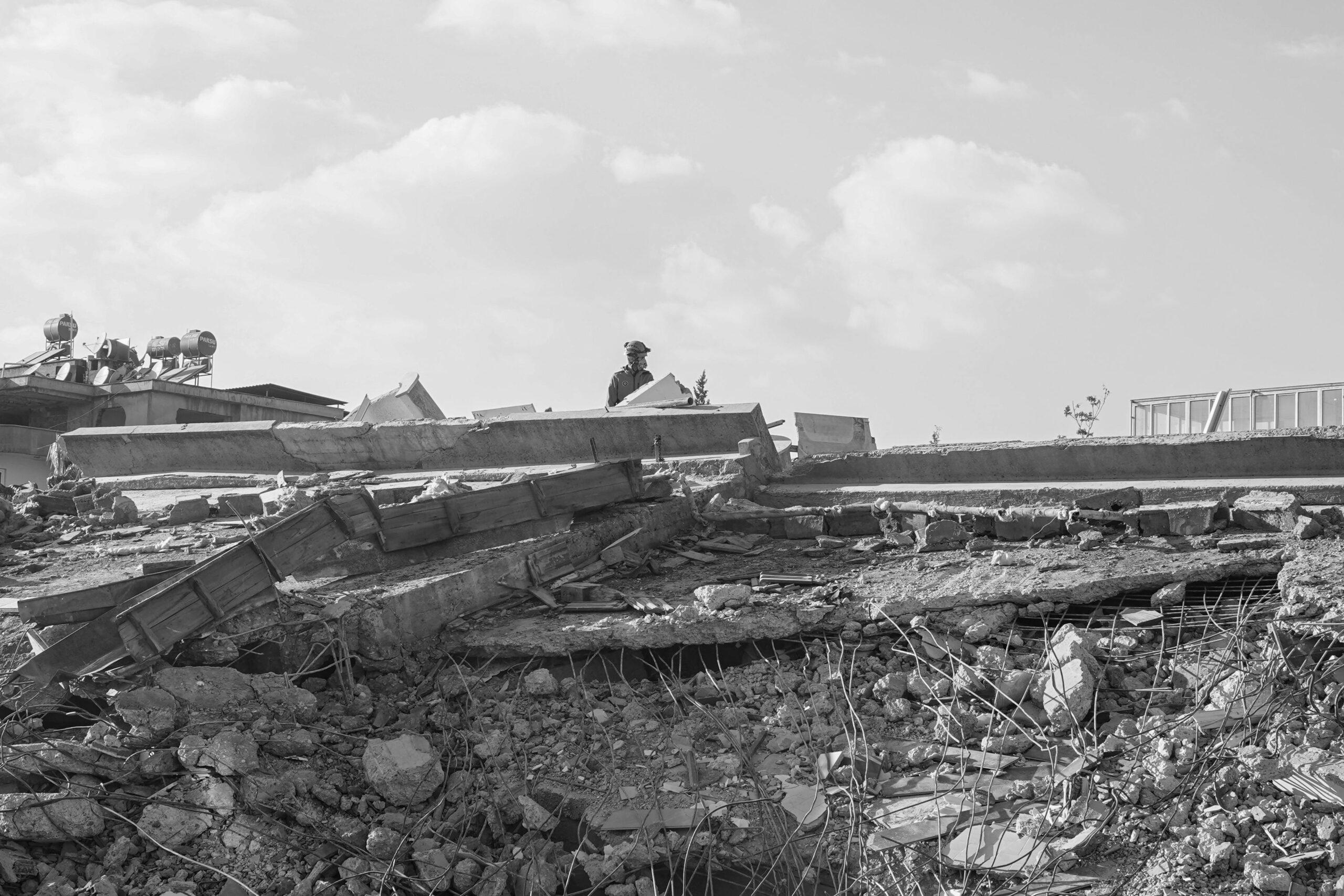
When Silence Speaks Loudest 🌅
The unseen collapse of civilization is perhaps more frightening than any apocalyptic scenario precisely because it’s happening slowly enough to seem normal, quietly enough to escape notice, and gradually enough to feel inevitable. Each generation inherits a slightly diminished world and accepts it as baseline, forgetting what was lost.
But silence can be broken. Systems can be maintained. Knowledge can be preserved. Communities can be rebuilt. The trajectory of civilization isn’t fixed—it’s the sum of countless individual and collective choices. Recognizing that we’re in a period of potential collapse is not an endpoint but a beginning.
The world hasn’t fallen silent yet. We still have time to hear the warnings, to address the underlying causes, and to choose a different path. But time itself is a limited resource, and silent collapse becomes actual catastrophe when the capacity to respond finally fails.
Civilization is both more fragile and more resilient than we imagine. It’s fragile because it depends on countless invisible systems working in harmony. It’s resilient because it’s ultimately made of people—adaptable, creative, and capable of remarkable cooperation when circumstances demand it.
The question isn’t whether civilizational collapse is possible—history proves it is. The question is whether we’ll recognize it happening in time to change course, or whether we’ll normalize decline until the day we wake up to discover that everything we took for granted has quietly disappeared. The silence is both warning and opportunity. What we do with it will determine which civilizations future historians study—and whether those historians exist at all.
