
Anúncios
In an era of climate chaos, resource scarcity, and social fragmentation, one city stands as humanity’s last beacon of functional civilization—a place where cutting-edge innovation isn’t luxury, but necessity for collective survival.
🌆 The Genesis of the Last Functional City
Imagine waking up in a metropolis that doesn’t just endure the challenges of the 21st century but actively transforms them into opportunities. This isn’t science fiction—it’s the emerging reality of what experts are calling “survival urbanism.” As traditional cities crumble under the weight of outdated infrastructure, environmental disasters, and social inequality, a new model is emerging from the ashes of the old world.
Anúncios
The Last Functional City represents more than just concrete and steel. It’s a living laboratory where every system—from energy production to food distribution, from governance to social cohesion—has been reimagined from the ground up. This urban experiment wasn’t born from utopian dreams but from the harsh necessity of survival in a world pushed to its breaking point.
What makes this city different isn’t just its technology or its innovative approaches to age-old problems. It’s the fundamental shift in mindset that permeates every aspect of urban life. Here, innovation isn’t pursued for profit margins or competitive advantage—it’s the daily practice of solving existential challenges that threaten humanity’s future.
Anúncios
🔋 Energy Independence: Powering the Future Without Compromise
The Last Functional City runs on a completely decentralized energy grid that would make traditional utility companies obsolete. Solar panels aren’t just on rooftops—they’re integrated into windows, roadways, and even clothing. Wind turbines aren’t massive eyesores on the horizon but elegant kinetic sculptures that harness energy from the constant movement of urban life.
But the real innovation lies in energy storage and distribution. Advanced battery systems store excess power during peak production times, while AI-driven networks predict consumption patterns and redistribute energy with unprecedented efficiency. Every building functions as both consumer and producer, creating a resilient web of power that can’t be knocked out by a single point of failure.
Geothermal systems tap into the Earth’s constant temperature, providing heating and cooling without burning a single fossil fuel. Kinetic energy harvesting captures power from footsteps on sidewalks, vehicles on roads, and even the opening and closing of doors. Nothing goes to waste in this metabolic urban organism.
The Energy Democracy Revolution
Perhaps most revolutionary is how energy has been democratized. Citizens don’t just consume power—they participate in its governance. Blockchain-based systems allow residents to trade energy credits, invest in new renewable projects, and vote on infrastructure priorities. Energy poverty, once a plague of modern cities, has been virtually eliminated through this participatory approach.
🌱 Urban Agriculture: Feeding Millions in Concrete Jungles
Food security in the Last Functional City doesn’t depend on vulnerable supply chains stretching across continents. Instead, vertical farms tower alongside residential buildings, producing fresh vegetables, fruits, and even protein sources within walking distance of every neighborhood.
These aren’t hobby gardens—they’re industrial-scale operations using hydroponics, aeroponics, and aquaponics to maximize yield per square foot. LED lighting tuned to specific wavelengths optimizes plant growth while using a fraction of the energy of traditional agriculture. Water recirculation systems reduce consumption by up to 95% compared to conventional farming.
Rooftop greenhouses capture rainwater and filter it through natural systems before it enters the city’s water supply. Community gardens serve dual purposes as food production sites and social gathering spaces, rebuilding the neighborhood connections that modern life had eroded.
The Protein Revolution
Meat production has been transformed through cellular agriculture and precision fermentation. Lab-grown proteins provide the taste and nutrition of traditional meat without the environmental devastation of industrial farming. Insect protein farms operate in compact facilities, producing nutrient-dense food with minimal resources.
The city has embraced food diversity in ways that shock visitors from the old world. Algae farms produce omega-3 rich supplements. Mushroom cultivation facilities turn organic waste into gourmet ingredients. Every calorie is produced with intention and efficiency.
💧 Water Management: Every Drop Counts
In a world where freshwater has become more precious than oil, the Last Functional City has achieved near-complete water independence through integrated management systems that would seem miraculous to previous generations.
Atmospheric water generators extract moisture from the air, providing drinking water even in arid conditions. Greywater systems separate and treat water based on its source and intended reuse. Toilet water goes to irrigation systems, shower water to industrial processes, and kitchen water to biogas production.
Storm water isn’t a problem to be channeled away—it’s a resource to be captured. Permeable pavements allow rainwater to recharge underground aquifers while bioswales and retention ponds create green corridors throughout the urban landscape. The city drinks its own rain and recycles it endlessly.
🚇 Transportation Networks That Actually Work
Cars as we knew them have largely disappeared from the Last Functional City. Not through bans or restrictions, but because they’ve become unnecessary. An integrated mobility network combines autonomous electric shuttles, bicycle superhighways, pedestrian-priority zones, and hyperefficient public transit into a seamless system.
Underground freight networks move goods through tunnels, keeping delivery trucks off surface streets. Drone deliveries handle small packages, while robotic carriers transport heavier loads. The result is streets reclaimed for human activity—markets, performances, conversations, and community life.
Long-distance travel relies on high-speed rail connections to other surviving cities and renewable-powered aircraft for essential journeys. But the city’s design minimizes the need for travel—everything residents need is within a 15-minute walk or bike ride from their homes.
Mobility as a Service
Transportation has been completely reimagined as a service rather than a product. Residents subscribe to mobility plans that give them access to various transport modes based on their needs. No one owns vehicles—they simply move through the city using whatever method is most efficient for each journey.
🏗️ Architecture for Adaptation and Resilience
Buildings in the Last Functional City aren’t static monuments—they’re dynamic structures that respond to environmental conditions and changing needs. Facades adjust their opacity based on sunlight and temperature. Layouts can be reconfigured as residents’ needs evolve. Materials are chosen for their ability to be reclaimed and reused.
Modular construction techniques allow new structures to rise quickly when needed and be disassembled without waste when they’ve served their purpose. 3D printing creates custom components on-demand, eliminating the need for massive inventories of building materials.
Every building serves multiple functions. Ground floors host shops and community spaces. Middle floors contain residences and offices. Upper levels feature gardens and renewable energy installations. Basements aren’t parking garages but water storage, geothermal systems, and emergency shelters.
🤝 Governance by the People, for Survival
Traditional representative democracy proved too slow and disconnected for managing a city on the brink. The Last Functional City has pioneered liquid democracy—a hybrid system where citizens can vote directly on issues they care about or delegate their vote to trusted community members with relevant expertise.
Digital platforms enable real-time participation in decision-making processes. Proposals are debated openly, impacts are modeled using advanced simulations, and implementation is tracked transparently. Corruption becomes nearly impossible when every transaction and decision is visible to all.
But technology doesn’t replace human connection—it enhances it. Neighborhood assemblies meet regularly in person, fostering relationships and trust. City-wide forums bring diverse voices together to address common challenges. Leadership rotates regularly, preventing the concentration of power that plagued old political systems.
The Resource Allocation Challenge
Perhaps the most critical governance function is resource allocation. Advanced AI systems model scenarios and predict outcomes, but humans make final decisions based on values and priorities. Should energy go to expanding vertical farms or building new housing? Should water be directed to industrial processes or green spaces? These aren’t technical questions—they’re moral ones that require human wisdom.
🎓 Education for an Uncertain Future
Schools in the Last Functional City don’t prepare children for jobs that don’t exist yet—they cultivate adaptive capacities that serve in any scenario. Critical thinking, systems awareness, collaborative problem-solving, and emotional resilience form the core curriculum.
Learning happens everywhere, not just in classrooms. Apprenticeships in urban farms, renewable energy installations, and maker spaces provide hands-on experience. Intergenerational learning pairs elders with youth to transfer practical knowledge while keeping cultural wisdom alive.
Education never stops at graduation. Continuous learning is woven into work life, with everyone dedicating time to acquiring new skills and sharing their expertise. In a world of constant change, adaptability is the most valuable capability.
🏥 Healthcare That Prevents Rather Than Just Treats
The Last Functional City’s approach to health prioritizes prevention and community wellbeing over expensive interventions. Air quality sensors monitor pollution in real-time. Nutritional support ensures everyone has access to healthy food. Mental health services are destigmatized and universally available.
AI-assisted diagnostics catch problems early when they’re most treatable. Telemedicine connects residents with specialists regardless of location. Community health workers build relationships in neighborhoods, addressing social determinants of health that medical treatments alone can’t fix.
Medical resources are shared efficiently across the population. 3D printing produces prosthetics and medical devices on-demand. Pharmaceutical production happens locally, ending dependence on fragile global supply chains. Gene therapy and personalized medicine become accessible rather than luxuries for the wealthy.
🎨 Culture and Meaning in Survival Mode
Survival isn’t just about meeting physical needs—it’s about maintaining what makes us human. The Last Functional City invests heavily in art, music, theater, and cultural expression. Public spaces showcase local artists. Performance venues host everything from traditional ceremonies to experimental multimedia experiences.
Libraries function as community hubs, preserving knowledge while providing spaces for gathering and learning. Maker spaces give residents tools to create and repair, fostering skills and connections. Parks and plazas host festivals celebrating the city’s diversity and resilience.
Cultural production isn’t separate from survival—it’s integral to it. Stories help process trauma and imagine possibilities. Rituals create shared meaning and strengthen social bonds. Beauty provides hope when circumstances feel overwhelming.
⚠️ The Threats That Never Sleep
The Last Functional City’s innovations emerged from necessity, and the threats that sparked them haven’t disappeared. Climate extremes test infrastructure regularly. Resource scarcity requires constant optimization. Social tensions simmer beneath the surface, threatening to fracture the fragile cohesion that makes collective survival possible.
External pressures compound internal challenges. Refugees from collapsed regions arrive daily, straining capacity and testing the city’s commitment to inclusion. Authoritarian regimes eye the city’s resources enviously. Criminal networks exploit any vulnerability in the city’s systems.
Perhaps the greatest threat is complacency. As systems stabilize and life normalizes, the urgency that drove innovation risks fading. Maintaining the creative tension between current functionality and future challenges requires constant vigilance and renewed commitment.
🌍 Blueprint for Global Transformation
The Last Functional City isn’t meant to remain alone. Its innovations are shared freely with other communities attempting similar transformations. Open-source platforms distribute designs for renewable energy systems. Educational programs train leaders from struggling cities. Diplomatic missions build networks of mutual support among surviving settlements.
The goal isn’t to hoard success but to spread it—to transform the “last” functional city into the first of many. Each community adapts the blueprint to local conditions and cultures, creating diversity within a shared framework of resilience and innovation.
Some attempts fail spectacularly. Others succeed beyond expectations. Every experiment generates knowledge that benefits the larger network. Humanity’s survival won’t come from a single perfect solution but from distributed experimentation and rapid sharing of insights.
🔮 When Innovation Becomes Normal Life
The most remarkable aspect of the Last Functional City is how unremarkable its innovations have become to residents. Children growing up here can’t imagine cities that burned fossil fuels or threw away food. Teenagers find it bizarre that people once spent hours commuting in private vehicles. Adults who remember the old world sometimes struggle to explain to the young why things were ever done differently.
This normalization of innovation is perhaps the ultimate measure of success. When sustainable practices become habitual, when collaborative governance feels natural, when resource efficiency is simply how things work—that’s when transformation becomes durable rather than fragile.
The city evolves constantly as residents identify problems and develop solutions. Innovation isn’t confined to labs or genius inventors—it’s democratized across the population. Someone figures out how to grow a new crop variety in vertical farms. Another person designs a more efficient water filter. A teenager codes an app that helps neighbors share resources. Progress emerges from millions of small improvements rather than occasional breakthroughs.
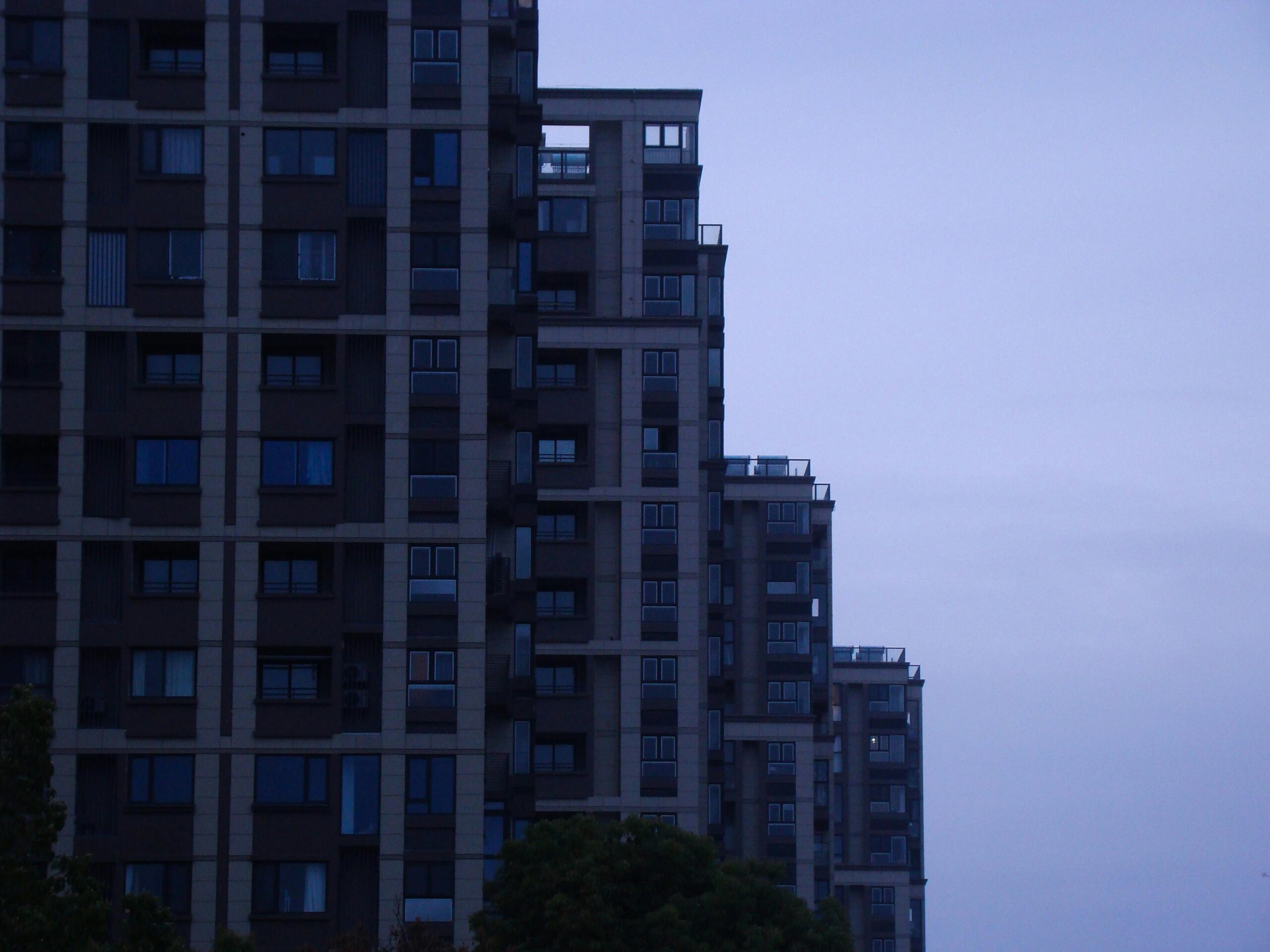
🌟 Living at the Edge of Possible
Life in the Last Functional City isn’t utopia. Challenges arise daily. Systems fail occasionally. Conflicts require resolution. Resources remain finite even with efficient management. The difference is that residents possess both the tools and the collective will to address problems as they emerge.
There’s a peculiar energy that comes from living at the intersection of innovation and survival. Every day matters. Every decision has consequences. Every person’s contribution affects collective outcomes. This creates meaning and purpose that many in the old world’s affluent societies desperately lacked despite material abundance.
Visitors often comment on the intensity of life here—not the frantic busyness of old cities but a focused engagement with reality. People are present, aware, connected to each other and their environment. They’re building something larger than themselves while ensuring their own survival. It’s exhausting and exhilarating in equal measure.
The Last Functional City stands as both achievement and challenge—proof that human ingenuity can create livable futures even on a damaged planet, and a reminder of how much work remains to extend that possibility to all people. It’s where innovation meets survival not in abstract theory but in the daily choices of ordinary people doing extraordinary things. And in that meeting place, hope persists even in a world on the brink.
