
Anúncios
Our modern world celebrates efficiency as the ultimate virtue, yet this relentless pursuit may be engineering our own downfall in ways we’re only beginning to understand.
🎯 The Efficiency Trap: When Optimization Becomes Our Weakness
Throughout human history, the drive toward efficiency has been synonymous with progress. From the assembly line revolution to just-in-time manufacturing, from lean management to algorithmic optimization, we’ve built entire civilizations around the principle of doing more with less. Yet beneath this triumph of optimization lies a disturbing paradox: the very mechanisms we’ve designed to strengthen our systems may be rendering them catastrophically fragile.
Anúncios
This isn’t merely theoretical speculation. The COVID-19 pandemic exposed how our hyper-efficient global supply chains could fracture under unexpected stress. The 2008 financial crisis revealed how interconnected, streamlined banking systems could amplify rather than absorb shocks. These weren’t isolated failures but symptoms of a deeper systemic vulnerability embedded within our efficiency-obsessed frameworks.
The Hidden Cost of Cutting Slack
Efficiency, in its purest form, means eliminating waste and redundancy. Every buffer stock, every backup system, every moment of idle capacity represents an opportunity for optimization. Corporations measure success by capacity utilization rates. Governments praise lean operations. Consultants earn fortunes identifying and removing organizational “fat.”
Anúncios
But what we dismiss as waste often serves as resilience. Those buffer inventories? They cushion against supply disruptions. That excess capacity? It absorbs unexpected demand spikes. Those redundant processes? They provide alternatives when primary systems fail. By systematically removing these safeguards in pursuit of maximum efficiency, we’re creating systems that perform brilliantly under normal conditions but collapse catastrophically when stressed.
The Brittleness of Perfect Systems
Consider the modern hospital operating at 95% capacity utilization—an efficiency expert’s dream. Every bed occupied, every resource allocated, every staff member fully utilized. Then a pandemic strikes, or a natural disaster occurs, and there’s nowhere to absorb the surge. The system doesn’t bend; it breaks.
This brittleness extends across domains. Agricultural systems optimized for yield lack genetic diversity to resist new pathogens. Power grids engineered for minimal redundancy experience cascading failures from single-point disruptions. Software systems streamlined for performance become vulnerable to unexpected edge cases.
⚡ The Speed Paradox: Acceleration Toward Instability
Efficiency doesn’t merely remove redundancy; it accelerates everything. Information travels faster, transactions complete instantly, supply chains operate at unprecedented velocities. This acceleration creates new vulnerabilities that our slower, less efficient predecessors never faced.
High-frequency trading algorithms can trigger market crashes in milliseconds, faster than human intervention can respond. Social media platforms amplify misinformation at viral speeds, outpacing fact-checking mechanisms. Automated systems propagate errors instantaneously across global networks before anyone recognizes the problem.
When Feedback Loops Become Too Fast
Traditional systems incorporated natural delays that provided time for correction and adaptation. A business decision took weeks to implement, allowing time for review and adjustment. Supply chain orders moved at the pace of physical mail, creating natural buffers against overreaction.
Modern efficiency has compressed these timescales to near-instantaneous. While this acceleration delivers obvious benefits, it also eliminates crucial stabilizing delays. Systems can spiral out of control before stabilizing mechanisms engage. The faster we make our systems, the less time we have to recognize and correct emerging problems.
🌐 The Interconnection Amplifier
Efficiency demands integration. Why maintain separate inventory when centralized distribution is cheaper? Why operate independent systems when interconnected networks share resources more effectively? The logic seems unassailable, yet each connection creates new pathways for failure propagation.
The 2021 Suez Canal blockage demonstrated this vulnerability perfectly. A single ship grounding disrupted global trade for weeks, affecting industries from automotive to furniture to coffee. The system’s efficiency—minimal inventory, just-in-time delivery, centralized routing—transformed a localized incident into a worldwide crisis.
Cascading Failures in Tightly Coupled Systems
As systems become more interconnected in pursuit of efficiency, failures cascade more readily. A power outage affects telecommunications, which impacts financial transactions, which disrupts supply chains, which affects manufacturing, which influences retail operations. Each optimization that tied systems more tightly together amplified the potential for domino effects.
This tight coupling eliminates the compartmentalization that once contained failures. Historical systems, though less efficient, featured natural firebreaks that prevented local problems from becoming systemic catastrophes.
The Monoculture Problem: Efficiency Through Uniformity
Efficiency often demands standardization. Common protocols, shared platforms, standardized processes—these create economies of scale and streamlined operations. Yet this drive toward uniformity creates monocultures vulnerable to systemic shocks.
When most websites run on similar infrastructure, a vulnerability in that infrastructure threatens the entire internet. When agricultural production concentrates on high-yield varieties, a single pest or disease can devastate food security. When financial institutions adopt identical risk models, they simultaneously make the same mistakes, amplifying rather than diversifying risk.
Diversity as Inefficiency—and Insurance
Nature demonstrates an alternative approach: diversity over optimization. Ecosystems maintain multiple species filling similar niches—seemingly inefficient redundancy that provides resilience when conditions change. No single pest can devastate a diverse ecosystem because alternatives exist.
Human systems increasingly lack this protective diversity. We’ve optimized toward single solutions, best practices, and standardized approaches. While this generates short-term efficiency gains, it eliminates the variability that enables adaptation and survival under changing conditions.
🔄 The Optimization Death Spiral
Perhaps the most insidious aspect of the efficiency paradox is its self-reinforcing nature. Each optimization creates pressure for further optimization. Each competitor that streamlines operations forces others to follow or face market disadvantage. Each efficiency gain becomes the new baseline, with further improvements demanded.
This creates a ratchet effect where resilience is progressively stripped away. Organizations cannot easily reverse course because maintaining “inefficient” buffers and redundancies represents competitive disadvantage. The race to optimize becomes a race toward collective fragility.
Short-Term Gains, Long-Term Fragility
The benefits of efficiency appear immediately in financial statements and performance metrics. Costs decline, productivity increases, profits rise. The costs of reduced resilience remain invisible until stress tests the system. This temporal mismatch creates perverse incentives favoring optimization over robustness.
Executives face quarterly earnings pressures, not decade-long resilience assessments. Politicians respond to immediate budget constraints, not hypothetical future crises. Markets reward efficiency gains today while discounting tail risks that might materialize tomorrow. The structure of our decision-making processes systematically favors efficiency over resilience.
📊 Measuring What Matters: Beyond Efficiency Metrics
Our obsession with efficiency reflects what we choose to measure. Productivity, utilization rates, cost per unit, time to completion—these metrics dominate organizational dashboards and management frameworks. What we don’t measure systematically: resilience, adaptability, redundancy capacity, failure containment.
This measurement bias creates a distorted picture of system health. Organizations appear robust when operating smoothly under normal conditions but lack indicators revealing underlying fragility. We’ve optimized for metrics that ignore the very qualities that determine long-term survival.
Alternative Frameworks for System Health
Rethinking how we evaluate system performance requires incorporating resilience metrics alongside efficiency measures. How quickly can the system recover from disruption? What magnitude of shock can it absorb without cascading failure? How much operational capacity remains available for unexpected demands?
These questions challenge conventional wisdom but reflect a more holistic understanding of system health. A hospital operating at 75% capacity may seem inefficient but possesses surge capacity for emergencies. A supply chain maintaining buffer inventory may carry higher costs but continues functioning during disruptions.
🛡️ Designing for Graceful Degradation
If efficiency-driven optimization creates brittleness, what’s the alternative? The goal isn’t abandoning efficiency but balancing it with resilience through systems designed for graceful degradation rather than catastrophic failure.
Engineering principles like modularity, redundancy, and loose coupling enable systems to continue functioning at reduced capacity rather than completely collapsing under stress. Circuit breakers prevent cascading failures. Backup systems maintain critical functions when primary systems fail. Diverse approaches provide alternatives when optimal solutions prove inadequate.
Learning From Anti-Fragile Systems
Some systems don’t merely resist stress—they improve through it. Immune systems strengthen through exposure to pathogens. Muscles grow stronger from exercise-induced damage. These anti-fragile systems incorporate mechanisms that convert stress into adaptation.
Human organizations can embed similar principles: maintaining experimental diversity, preserving institutional memory of past crises, creating decision-making processes that incorporate wide perspectives, and building cultures that value learning from failure alongside celebrating success.
The Economic Efficiency Illusion
Standard economic analysis treats efficiency as unambiguously beneficial. Lower costs, higher productivity, greater output—these appear as pure improvements. Yet this analysis typically ignores externalities, particularly the externalized cost of systemic fragility.
When a hyper-efficient supply chain collapses, who bears the cost? Not necessarily the companies that optimized their operations, but rather customers facing shortages, workers experiencing layoffs, and societies managing disruption. The efficiency gains were privatized while resilience costs were socialized.
True Cost Accounting for Resilience
Comprehensive economic analysis must incorporate resilience as an asset with real value rather than dismissing it as waste. Insurance provides a useful analogy—premiums seem like pure cost until claims become necessary. Redundancy and buffers function similarly as insurance against disruption.
Organizations and societies willing to maintain this “insurance” gain competitive advantage during crisis periods, even if they appear less efficient during normal times. The question isn’t whether to pay for resilience but whether to pay for it explicitly through maintained buffers or implicitly through crisis management and recovery costs.
🌱 Reclaiming Strategic Inefficiency
Moving forward requires deliberately embracing what might be called “strategic inefficiency”—the conscious maintenance of redundancy, diversity, and slack capacity in domains where resilience matters most. This isn’t a rejection of efficiency but rather a sophisticated understanding of when optimization serves us and when it endangers us.
Critical infrastructure deserves redundancy. Essential supply chains benefit from diversity. Core competencies require backup capabilities. Emergency response systems need excess capacity. These aren’t areas for maximum optimization but rather domains where resilience justifies apparent inefficiency.
Building Resilience Into Modern Systems
Practical implementation requires specific strategies. Organizations can maintain multiple suppliers rather than optimizing to the lowest-cost provider. Infrastructure can incorporate backup systems and alternative pathways. Software can preserve manual override capabilities. Planning can assume disruption as normal rather than exceptional.
These approaches carry costs measured in conventional efficiency metrics but deliver value through continued operation when optimized alternatives fail. The challenge lies in maintaining these practices despite constant pressure toward further optimization.
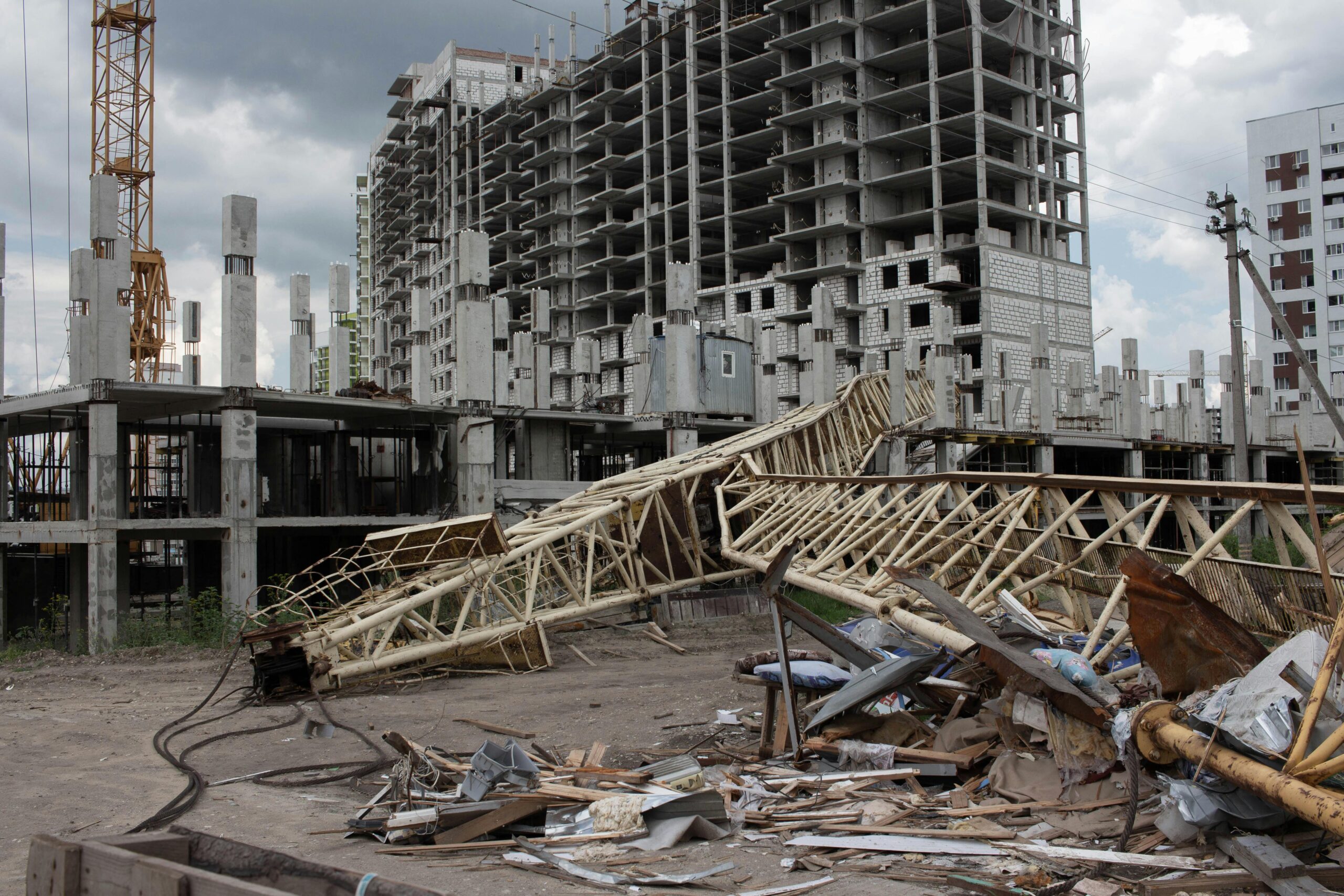
⚖️ Finding the Balance: Efficiency With Resilience
The solution isn’t choosing between efficiency and resilience but rather understanding their proper relationship. Maximum efficiency everywhere creates brittleness. Unlimited redundancy generates waste. The goal involves identifying where each quality matters most and calibrating accordingly.
Routine operations can embrace efficiency. Critical functions require resilience. High-variability domains benefit from diversity. Interconnected systems need buffers. This differentiated approach recognizes that one-size-fits-all optimization creates systematic vulnerabilities.
Understanding this paradox—that efficiency pursued without limits accelerates collapse—represents crucial wisdom for designing sustainable systems. Our future depends not on abandoning the benefits of efficiency but on tempering optimization with the humility to recognize that perfect efficiency creates perfect fragility. The systems most likely to endure aren’t the most efficient but rather those balanced enough to bend without breaking when inevitable stresses arrive.
As we continue advancing technologically and socially, this wisdom becomes increasingly vital. The faster and more complex our systems become, the more crucial resilience grows relative to pure efficiency. Our survival may ultimately depend on our willingness to maintain strategic slack, preserve protective diversity, and resist the siren song of total optimization.
