
Anúncios
Our planet stands at a critical juncture where decades of postponed decisions are converging into an urgent crisis that demands immediate attention and transformative action from every corner of society.
⏰ The Cost of Procrastination: Understanding Our Climate Debt
For generations, scientists have warned us about the consequences of unchecked industrial growth, deforestation, and carbon emissions. Yet humanity has consistently chosen short-term economic gains over long-term planetary health. This pattern of delayed action has created what experts now call our “climate debt”—a compounding crisis where each year of inaction exponentially increases the challenges we face.
Anúncios
The warnings began in earnest during the 1970s when climate researchers first documented the greenhouse effect’s acceleration. By the 1990s, international bodies were calling for immediate intervention. Today, we’re witnessing the manifestation of those ignored warnings through unprecedented wildfires, devastating floods, record-breaking heatwaves, and rapidly melting ice caps.
The Intergovernmental Panel on Climate Change (IPCC) reports paint a stark picture: global temperatures have already risen by approximately 1.1°C since pre-industrial times. We’re racing toward the critical 1.5°C threshold that scientists identify as the point of no return for certain ecological systems. Every fraction of a degree matters, yet our response remains frustratingly inadequate.
Anúncios
🌍 The Cascade Effect: How Environmental Delays Trigger Multiple Crises
Climate change doesn’t exist in isolation. Our delayed environmental action has triggered a domino effect across multiple interconnected systems. Understanding these cascading consequences reveals the true magnitude of our predicament and why immediate action cannot be postponed any longer.
Biodiversity Collapse and Ecosystem Disruption
Scientists estimate we’re losing species at a rate 1,000 times higher than the natural background extinction rate. This isn’t just about losing charismatic megafauna; it’s about the unraveling of complex ecosystems that provide essential services humanity depends upon. Pollinators disappearing means food security threats. Coral reef death means ocean ecosystem collapse and protein source elimination for millions.
The Amazon rainforest, once a reliable carbon sink, is now releasing more carbon than it absorbs in certain regions. This feedback loop—where climate change damages systems that naturally regulate climate—exemplifies how our delays have created self-reinforcing negative cycles that become progressively harder to reverse.
Water Scarcity and Resource Competition
By 2025, two-thirds of the world’s population may face water stress conditions. Glaciers that provide fresh water for billions are retreating at alarming rates. Groundwater aquifers are being depleted faster than they can recharge. Meanwhile, changing precipitation patterns are making droughts more severe and floods more destructive.
This water crisis isn’t merely an environmental issue—it’s a geopolitical powder keg. Resource scarcity has historically sparked conflicts, and water scarcity could become the defining security challenge of the 21st century. Our delayed action on climate has effectively shortened the fuse on these potential conflicts.
💰 The Economic Price of Hesitation
One of the most persistent arguments against aggressive climate action has been economic cost. However, this reasoning reveals a fundamental failure to understand that delayed action is exponentially more expensive than timely intervention.
The National Oceanic and Atmospheric Administration documented that the United States alone experienced 22 separate billion-dollar weather and climate disasters in 2020. These events cost over $95 billion and claimed 262 lives. Globally, climate-related disasters are costing hundreds of billions annually—expenses that will continue escalating as conditions worsen.
Economic modeling consistently demonstrates that every dollar invested in climate mitigation today saves multiple dollars in future adaptation and disaster recovery costs. The Stern Review, a landmark economic analysis, concluded that the cost of inaction could reach 5-20% of global GDP annually, while mitigation costs would be approximately 1% of global GDP.
Insurance markets are already responding to these realities. Property insurance is becoming unaffordable or unavailable in high-risk areas. Agricultural insurance costs are rising. The financial sector is beginning to price climate risk into investments, recognizing that stranded assets and physical damages represent genuine economic threats.
🏥 Public Health: The Silent Victim of Climate Delays
While environmental and economic consequences grab headlines, the public health implications of our delayed climate action receive insufficient attention despite their profound impact on human welfare.
Air pollution—largely from the same fossil fuel sources driving climate change—kills an estimated 7 million people annually according to the World Health Organization. Heat-related deaths are increasing as extreme temperature events become more frequent and intense. Vector-borne diseases are expanding their geographic ranges as warming temperatures allow disease-carrying insects to survive in previously inhospitable regions.
Mental health impacts are emerging as a significant concern. “Climate anxiety” and “eco-grief” are affecting millions, particularly younger generations who face the prospect of inheriting a destabilized planet. These psychological impacts represent real public health challenges that healthcare systems are ill-equipped to address at scale.
Food security and nutrition are increasingly compromised as agricultural productivity becomes less predictable. Crop yields are declining in key growing regions. Ocean acidification is threatening marine food sources. Malnutrition may increase substantially if current trends continue, with children and vulnerable populations bearing disproportionate burdens.
🔄 The Technology Race: Innovation Under Pressure
Despite the grim realities, technological innovation offers genuine hope—but only if deployed with unprecedented speed and scale. Our delayed action means we must now accomplish in years what we should have done over decades.
Renewable energy technology has advanced remarkably. Solar and wind power are now cheaper than fossil fuels in most markets. Battery storage technology is improving rapidly. Electric vehicles are approaching price parity with internal combustion engines. These technological victories demonstrate what’s possible when innovation receives proper support and investment.
However, technology alone cannot solve our predicament. Carbon capture technology, while improving, cannot currently operate at the scale necessary to offset continued emissions. Geoengineering proposals carry enormous uncertainties and potential unintended consequences. We cannot technologically innovate our way out of a problem that fundamentally requires systemic change and behavioral adaptation.
Digital Tools for Climate Action
Technology is also empowering individual action and collective organization. Satellite monitoring allows unprecedented tracking of deforestation and emissions. Data analytics help optimize energy systems and identify efficiency opportunities. Communication technology enables global coordination and rapid information sharing about climate solutions.
Mobile applications are helping individuals reduce their carbon footprints by tracking consumption, suggesting sustainable alternatives, and connecting people with local climate action initiatives. These tools transform abstract global challenges into concrete personal actions, though they must complement rather than replace systemic policy changes.
🌱 Adaptation vs. Mitigation: The False Choice
As climate impacts intensify, debate sometimes frames adaptation and mitigation as competing priorities. This represents a dangerous false dichotomy born from our delayed action—we now must pursue both strategies simultaneously and aggressively.
Mitigation—reducing emissions to limit future warming—remains absolutely essential. Every ton of avoided emissions means reduced future damages. Current trajectories point toward catastrophic warming levels that would render large portions of Earth effectively uninhabitable. Aggressive mitigation is our only path to maintaining a recognizable civilization.
Simultaneously, adaptation is no longer optional. Climate change is already happening; impacts are already locked in from past emissions. Coastal communities need protection from rising seas. Agricultural systems require resilience strategies for changing conditions. Water management must adapt to altered precipitation patterns. Healthcare systems need preparation for climate-related health challenges.
The cruel mathematics of our delayed action mean we must now fund both mitigation and adaptation while managing current climate impacts. This triple burden—paying for past inaction while simultaneously addressing present and future challenges—illustrates the compounding costs of procrastination.
⚖️ Justice and Equity: Who Bears the Burden?
Perhaps the most morally troubling aspect of humanity’s delayed climate action is the profound injustice in who suffers consequences versus who created the problem.
Historical emissions come overwhelmingly from wealthy industrialized nations, yet climate impacts hit hardest in developing countries with minimal historical responsibility. Small island nations face existential threats from sea-level rise they did virtually nothing to cause. Sub-Saharan African countries experience devastating droughts despite minimal per-capita emissions. This injustice should weigh heavily on the conscience of high-emitting nations.
Within countries, climate impacts also fall disproportionately on vulnerable populations. Low-income communities often occupy high-risk areas with inadequate infrastructure. Marginalized populations have fewer resources for adaptation. Indigenous communities face threats to traditional territories and ways of life. Environmental justice demands that solutions address these inequities rather than perpetuating them.
Intergenerational justice presents another profound ethical challenge. Current and recent generations enjoyed the benefits of unrestricted fossil fuel use while deferring the costs to future generations who had no voice in these decisions. Young people today rightfully express outrage at inheriting a degraded planet they played no role in damaging.
🚀 The Path Forward: What Urgent Action Looks Like
Understanding our predicament is essential, but action is imperative. The window for preventing worst-case scenarios is closing rapidly, yet meaningful intervention remains possible if humanity finally matches the urgency of rhetoric with reality of action.
Systemic Economic Transformation
Addressing climate change requires fundamental economic restructuring. Carbon pricing mechanisms—whether through taxes or cap-and-trade systems—must make pollution economically unattractive. Fossil fuel subsidies, which incredibly still total hundreds of billions annually globally, must end immediately and redirect toward clean energy.
Financial systems need climate risk integration. Investment flows must shift dramatically toward sustainable infrastructure. Development banks and international financial institutions should condition lending on climate criteria. Private capital is increasingly recognizing that climate stability is prerequisite for long-term returns—this recognition must translate into immediate portfolio realignment.
Political Will and Policy Implementation
Technology and economics ultimately depend on political decisions. Governments must implement ambitious climate policies despite opposition from entrenched interests. This requires both top-down mandates and bottom-up democratic pressure.
Effective climate policy includes regulatory standards for emissions and efficiency, investments in public transportation and clean energy infrastructure, protection and restoration of natural carbon sinks, research funding for emerging technologies, and international cooperation mechanisms to ensure coordinated global action.
Political leaders must communicate honestly about climate challenges rather than offering false comfort or distant deadlines. Mid-century net-zero commitments, while important, cannot excuse inadequate action today. The next decade is decisive; what we do now determines outcomes for centuries.
Individual and Community Action
While systemic change is essential, individual and community actions matter both for their direct impacts and for building political momentum for larger changes. Personal carbon footprint reduction—through transportation choices, dietary changes, energy conservation, and consumption reduction—collectively makes a significant difference.
Community organizing and political engagement may be individuals’ most impactful climate actions. Voting for climate-committed candidates, supporting climate organizations, participating in local sustainability initiatives, and advocating for institutional changes amplify individual impact far beyond personal consumption adjustments.
🌟 Hope Grounded in Reality
The challenges we face are genuinely daunting, and sugarcoating the situation serves no one. Humanity’s delayed action has made our task significantly harder and certain negative impacts unavoidable. However, defeatism and despair are as dangerous as complacency and denial.
Human history demonstrates remarkable capacity for rapid transformation when necessity demands it. The mobilizations during World War II, the rapid development of COVID-19 vaccines, and the swift response to the ozone hole crisis all prove that humanity can act decisively when threats are recognized and prioritized.
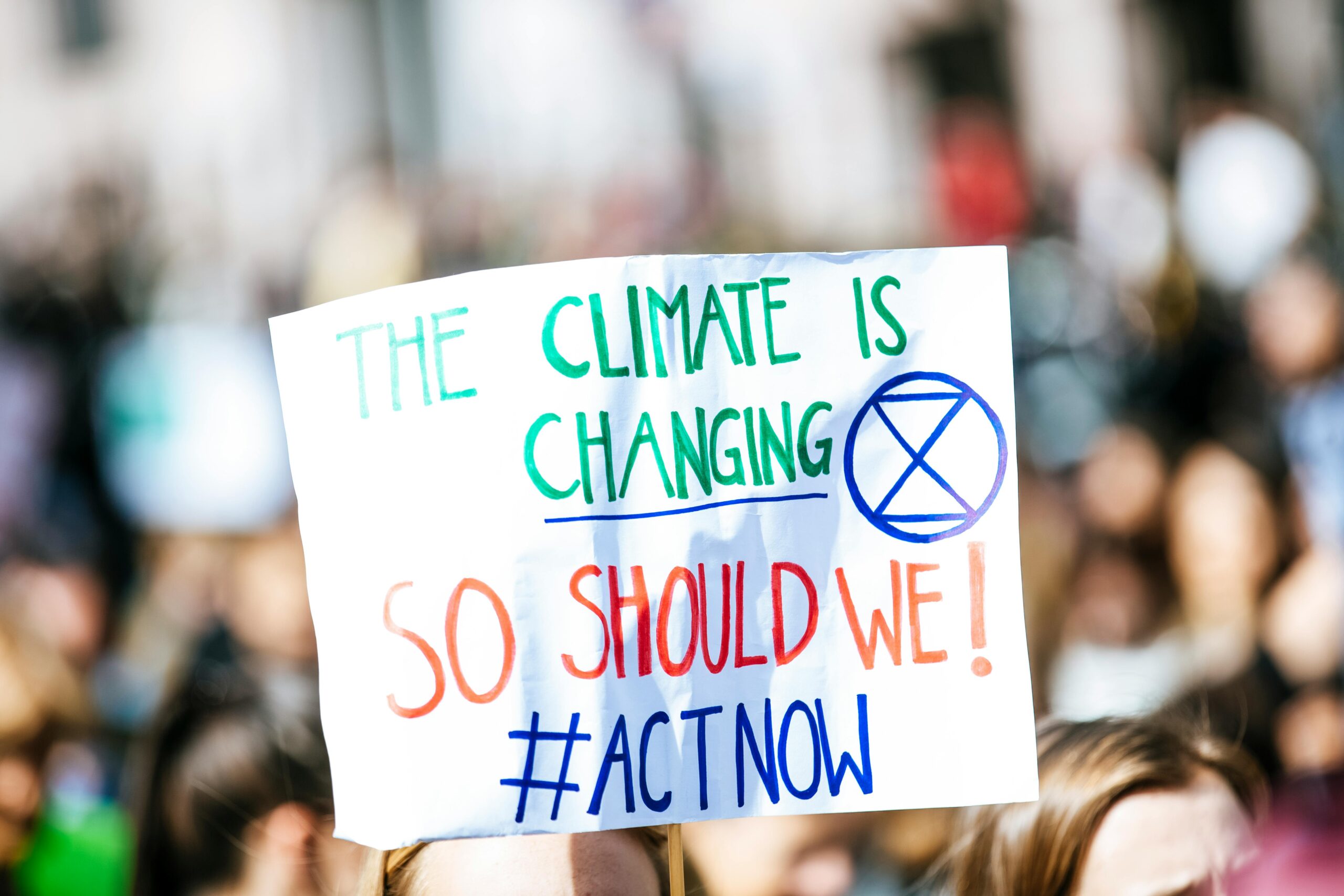
Clean energy revolution momentum is building. Political pressure for climate action is intensifying. Youth climate movements are demanding accountability. Business sectors are recognizing sustainability as economic imperative. Scientific understanding continues deepening. These positive trends, while insufficient alone, provide foundation for hope if accelerated dramatically.
The future remains unwritten. We face a choice between a path of continued delay leading to catastrophic disruption or a path of urgent action leading to a challenging but manageable transition. The window for the latter option is narrowing, but it hasn’t closed.
🎯 The Defining Challenge of Our Generation
Future generations will judge this period primarily on one question: Did we finally act when action mattered most? The comfortable excuses for delay—economic costs, technological limitations, political difficulties—ring increasingly hollow as consequences intensify.
We possess the knowledge, technology, and resources necessary to address climate change. What we’ve lacked is collective will and willingness to prioritize long-term stability over short-term convenience. Our delayed action has eliminated easy options, but difficult options remain preferable to catastrophic outcomes.
This moment demands nothing less than comprehensive societal transformation accomplished with wartime-level urgency. It requires unprecedented international cooperation, economic restructuring, technological deployment, and behavioral change. The scale is daunting, but the alternative—accepting a destabilized climate system—is unthinkable.
Racing against time isn’t merely a metaphor; it’s the literal reality we face. Every month of continued delay makes our task harder and outcomes worse. Yet within this urgency lies opportunity—the chance to build a more sustainable, equitable, and resilient civilization. The question isn’t whether we can rise to this challenge, but whether we will.
The clock is ticking. Our children and grandchildren are watching. History is recording our choices. The time for action isn’t tomorrow or next year—it’s now. Our delayed response has reshaped our future, but we still have power to determine whether that future is livable. The choice, and the responsibility, belong to all of us.
