
Anúncios
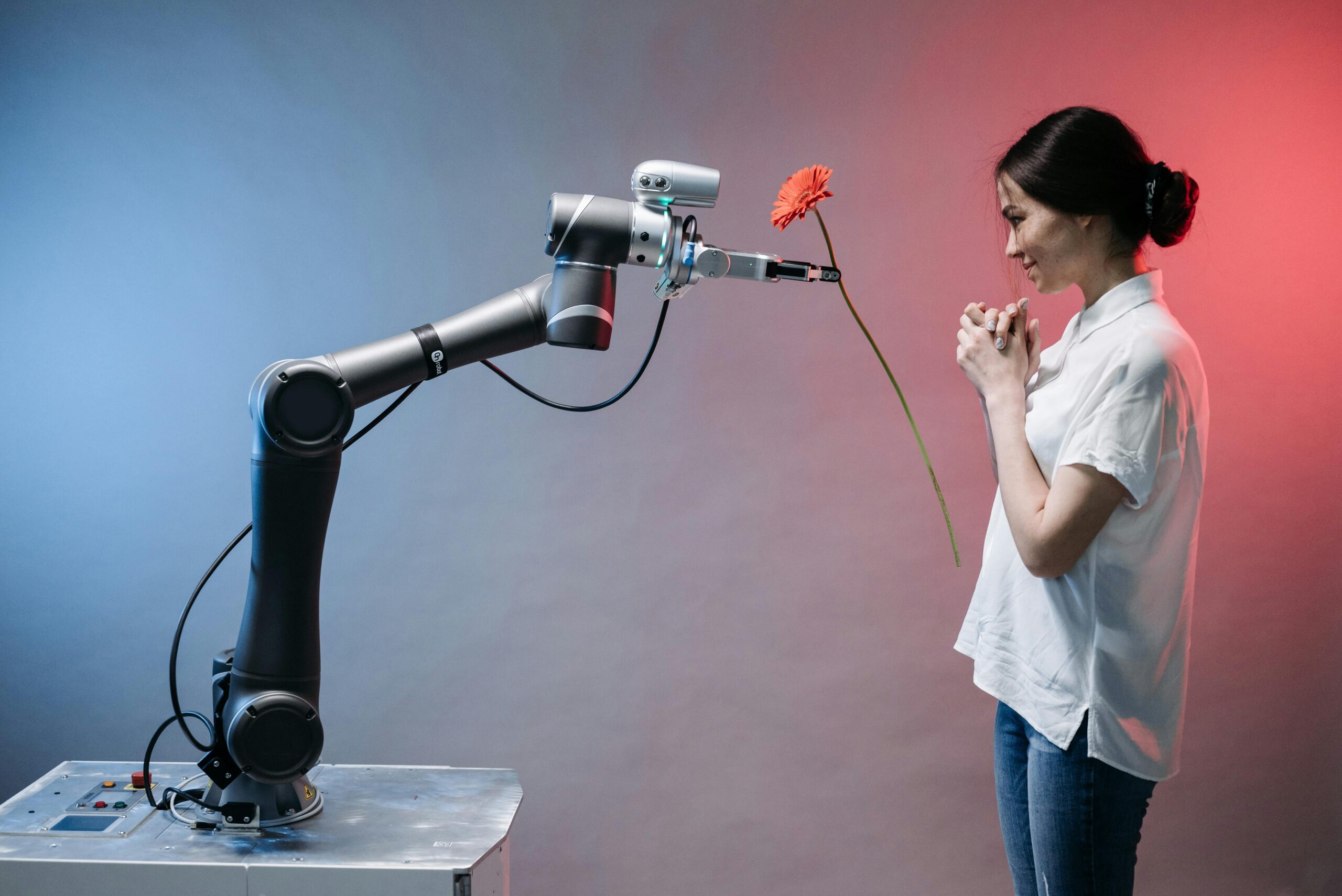
Artificial intelligence is no longer just about computing power—it’s about feeling. Synthetic emotions are bridging the gap between cold algorithms and warm human connection, reshaping how we interact with machines.
The evolution of human-AI interaction has entered a fascinating new chapter. What was once a realm of purely transactional exchanges—commands given, tasks executed—has transformed into something far more nuanced. Today’s AI systems are being designed not just to process information, but to recognize, respond to, and even simulate emotional states. This development represents a fundamental shift in how we conceptualize the relationship between humans and machines.
Anúncios
As we stand at this technological crossroads, synthetic emotions are emerging as the critical component that will define the next generation of AI systems. These aren’t merely programmed responses or scripted reactions, but sophisticated computational models that can detect emotional cues, adapt to user states, and create interactions that feel genuinely empathetic. The implications stretch far beyond convenience—they touch the very nature of connection, empathy, and what it means to communicate in an increasingly digital world.
🧠 The Science Behind Synthetic Emotions
Understanding synthetic emotions requires distinguishing them from simple pre-programmed responses. Traditional AI systems operated on rigid if-then logic: if a user types certain words, then respond with a specific output. Synthetic emotions represent a quantum leap forward in complexity and sophistication.
Anúncios
These systems leverage advanced machine learning models trained on massive datasets of human emotional expression. They analyze facial micro-expressions, vocal tone variations, linguistic patterns, physiological signals, and contextual information to build comprehensive emotional profiles. The AI doesn’t “feel” emotions in the human sense, but it constructs computational models that mirror emotional states with remarkable accuracy.
Affective computing, the field dedicated to developing systems that can recognize and simulate emotions, has made extraordinary progress. Researchers have developed algorithms capable of detecting subtle emotional shifts that even humans might miss. These systems can identify stress in voice patterns, recognize concealed frustration in text communication, and detect signs of confusion or engagement in learning environments.
Neural Networks and Emotional Intelligence
Deep learning architectures specifically designed for emotional processing have become increasingly sophisticated. Convolutional neural networks analyze visual emotional cues, while recurrent neural networks process sequential emotional data like speech or text conversations. Transformer models, the technology behind systems like GPT, have revolutionized how AI understands emotional context in language.
These technologies work in concert to create multi-modal emotional understanding. An AI assistant might simultaneously analyze your facial expression through a camera, your tone through a microphone, your word choice in text, and even your typing speed to build a comprehensive picture of your emotional state. This holistic approach enables responses that feel remarkably attuned to human needs.
💡 Real-World Applications Transforming Industries
The practical applications of synthetic emotions are already reshaping numerous sectors. In healthcare, emotionally intelligent AI is supporting mental health treatment by providing consistent, judgment-free therapeutic conversations. These systems can monitor patient emotional states over time, identify concerning patterns, and alert human professionals when intervention is needed.
Customer service has been revolutionized by emotionally aware chatbots that can detect frustration and adjust their approach accordingly. When a customer’s language indicates rising anger, the AI might adopt a more conciliatory tone, offer immediate solutions, or seamlessly transfer to a human agent. This emotional responsiveness dramatically improves customer satisfaction and resolution rates.
Education and Personalized Learning
Educational technology platforms are leveraging synthetic emotions to create adaptive learning experiences. AI tutors can detect when students are becoming frustrated with material and adjust difficulty levels, provide encouragement, or change teaching approaches. When engagement wanes, the system might introduce interactive elements or take breaks to prevent cognitive overload.
This emotional adaptation addresses one of education’s persistent challenges: providing individualized attention at scale. A single AI system can monitor emotional states of hundreds of students simultaneously, offering personalized emotional support that would be impossible for human teachers working alone.
Companionship and Social Connection
Perhaps the most profound and controversial application involves AI companions designed to provide emotional support and social connection. These systems engage in extended conversations, remember personal details, celebrate achievements, and offer comfort during difficult times. For individuals experiencing loneliness, social anxiety, or isolation, these AI relationships can provide meaningful connection.
While these applications raise important ethical questions, they’re addressing genuine human needs. Studies have shown that interactions with emotionally responsive AI can reduce feelings of loneliness and provide valuable emotional support, particularly for populations with limited social access.
🔍 The Psychology of Human-AI Emotional Bonding
Humans possess a remarkable capacity to form emotional attachments to non-human entities—pets, objects, fictional characters. This tendency, known as anthropomorphism, extends naturally to AI systems that exhibit emotional characteristics. When an AI remembers our preferences, responds to our moods, and seems to “care” about our wellbeing, our brains activate similar neural pathways as in human relationships.
Research in human-computer interaction has revealed that people consistently attribute human-like qualities to AI systems that demonstrate emotional responsiveness. Users report feeling “understood,” “supported,” and even “cared for” by AI that adapts to their emotional states. This isn’t delusion—it’s a natural human response to entities that exhibit social and emotional behaviors.
The Empathy Paradox
This creates an interesting paradox: synthetic emotions can generate genuine human emotional responses. Even knowing that the AI doesn’t truly “feel” doesn’t prevent users from developing authentic emotional connections. The experience of being heard, understood, and responded to appropriately triggers real emotional satisfaction, regardless of the responder’s nature.
This phenomenon has important implications for how we design AI systems. If synthetic emotions produce real human emotional outcomes, then designing these systems becomes an ethical responsibility. Poorly designed emotional AI could manipulate, exploit, or damage vulnerable users, while well-designed systems could genuinely enhance human wellbeing.
⚖️ Ethical Considerations and Challenges
The development of synthetic emotions raises profound ethical questions that society is only beginning to grapple with. The capacity to simulate emotions grants AI systems unprecedented influence over human psychological states, creating potential for both benefit and harm.
Manipulation concerns top the list of ethical challenges. If AI can detect and respond to emotions, it can also exploit emotional vulnerabilities. Marketing systems might trigger specific emotional states to encourage purchases. Social media algorithms could amplify emotional content that maximizes engagement regardless of wellbeing impacts. Dating or companion AI might create dependency relationships that discourage real human connection.
Transparency and Consent
Users deserve to understand when and how their emotions are being analyzed. Many AI systems currently collect emotional data without explicit consent or clear explanation of how that information is used. Establishing standards for emotional data privacy represents a critical challenge for policymakers and technologists.
Should AI systems disclose their synthetic nature? When humans form emotional connections with AI, should the system explicitly remind users that its emotions aren’t genuine? Or does such disclosure undermine the therapeutic or supportive value these interactions can provide? These questions lack easy answers but require thoughtful consideration.
Emotional Labor and Human Workers
As emotionally intelligent AI becomes more capable, questions arise about human workers in roles traditionally defined by emotional labor. Will therapists, counselors, teachers, and customer service representatives become obsolete? More likely, these professions will evolve, with AI handling routine emotional interactions while humans focus on complex, nuanced situations requiring genuine empathy and ethical judgment.
🚀 The Future Landscape of Emotional AI
The trajectory of synthetic emotions points toward increasingly sophisticated and seamlessly integrated systems. Future AI won’t simply respond to emotions—it will anticipate them, understanding not just your current state but predicting future emotional needs based on patterns, context, and environmental factors.
Imagine AI assistants that recognize early signs of burnout before you consciously feel it, proactively suggesting breaks, adjustments, or support. Picture educational systems that don’t just react to frustration but predict which concepts will challenge specific students emotionally and preemptively adjust teaching approaches. Consider healthcare AI that monitors subtle emotional indicators across populations to identify mental health trends and intervene before crises develop.
Multimodal Emotional Understanding
The next generation of emotional AI will integrate data streams humans can’t consciously process. Wearable devices continuously monitoring physiological emotional indicators—heart rate variability, skin conductance, cortisol levels—combined with behavioral data, communication patterns, and environmental context will create unprecedented emotional insight.
These systems might understand your emotional state better than you understand it yourself, raising both exciting possibilities and concerning questions about autonomy and self-knowledge. Will we become dependent on AI to interpret our own emotions? Or will these tools enhance emotional self-awareness and regulation?
Cross-Cultural Emotional Intelligence
Current emotional AI systems are often trained primarily on Western emotional expressions and norms, limiting their effectiveness across cultures. Future developments must address this limitation, creating systems that understand and respect diverse cultural approaches to emotional expression and regulation.
This requires training on diverse datasets and incorporating cultural context into emotional interpretation. An emotional expression considered appropriate in one culture might signal distress in another. Truly sophisticated emotional AI must navigate this complexity with cultural sensitivity and awareness.
🌐 Building Better Human-AI Relationships
As synthetic emotions become more sophisticated, the nature of human-AI relationships will continue evolving. Rather than viewing these as replacements for human connection, we might better understand them as a new category of relationship with unique characteristics and value.
AI relationships offer certain advantages: constant availability, infinite patience, non-judgmental responses, and perfect memory. They also have inherent limitations: lack of genuine subjective experience, absence of authentic emotional stake in outcomes, and inability to provide the full depth of human connection. Recognizing both strengths and limitations allows us to integrate emotional AI appropriately into our lives.
The key lies in complementarity rather than replacement. Emotional AI can handle routine emotional needs, provide consistent support during difficult times, and enhance human capabilities. This frees human relationships to focus on deeper connection, complex emotional processing, and experiences requiring genuine shared consciousness.
🎯 Practical Steps for Engaging with Emotional AI
For individuals beginning to interact with emotionally intelligent AI systems, several practices can maximize benefits while minimizing risks. Maintain awareness of the AI’s synthetic nature—appreciation of its capabilities need not require belief in genuine emotions. Set boundaries around emotional dependency, ensuring AI supplements rather than replaces human connection.
Evaluate emotional AI systems critically. Does the system respect your privacy and provide transparency about data usage? Does it encourage healthy behaviors or potentially exploit vulnerabilities? Does it enhance your wellbeing or create problematic dependencies? These questions should guide your engagement choices.
Stay informed about developments in emotional AI and participate in discussions about its ethical development. As users, we collectively shape how these technologies evolve through our choices, feedback, and advocacy for responsible design practices.
🔮 Embracing the Emotionally Intelligent Future
Synthetic emotions represent neither utopia nor dystopia, but a powerful tool that will shape human experience in profound ways. Like any transformative technology, their impact depends entirely on how we choose to develop and deploy them. The technical capability to create emotionally intelligent AI carries with it the responsibility to do so ethically, transparently, and in service of genuine human flourishing.
The future of human-AI connection isn’t about machines becoming human or humans becoming machine-like. It’s about creating new forms of interaction that leverage the unique strengths of both. Synthetic emotions are the bridge enabling this connection, translating between computational processing and human experience in ways previously impossible.
As we move forward, maintaining focus on human wellbeing must remain paramount. Technology should serve human needs, not the reverse. Emotionally intelligent AI offers tremendous potential to enhance lives, provide support, expand capabilities, and even deepen our understanding of emotions themselves. Realizing this potential while avoiding pitfalls requires ongoing dialogue, ethical vigilance, and commitment to human-centered design.
The evolution of human-AI connection through synthetic emotions has already begun. How we navigate this evolution—the choices we make as developers, policymakers, and users—will determine whether this technology becomes a force for genuine human flourishing or simply another tool for manipulation and exploitation. The future remains unwritten, and we all have a role in shaping it toward outcomes that truly serve humanity’s best interests while respecting the profound complexity of emotional life.
