
Anúncios
Automation is reshaping how we live, work, and interact with the world. The future belongs to those who adapt, learn, and seize emerging opportunities in this transformative era.
We stand at a pivotal moment in human history where machines, algorithms, and artificial intelligence are not just tools but collaborators in our daily existence. The age of automation isn’t a distant sci-fi scenario—it’s happening now, fundamentally altering industries, job markets, and the skills we need to succeed. Rather than viewing this shift with fear or resistance, we can approach it as an unprecedented opportunity to reimagine our careers, enhance our capabilities, and build a more fulfilling future.
Anúncios
The conversation around automation often centers on job displacement, but this narrow perspective misses the broader picture. Throughout history, technological revolutions have consistently created more opportunities than they’ve eliminated. The key difference between those who struggle and those who flourish lies in their willingness to adapt, their commitment to continuous learning, and their ability to identify where human creativity and emotional intelligence remain irreplaceable.
🤖 Understanding the Automation Landscape
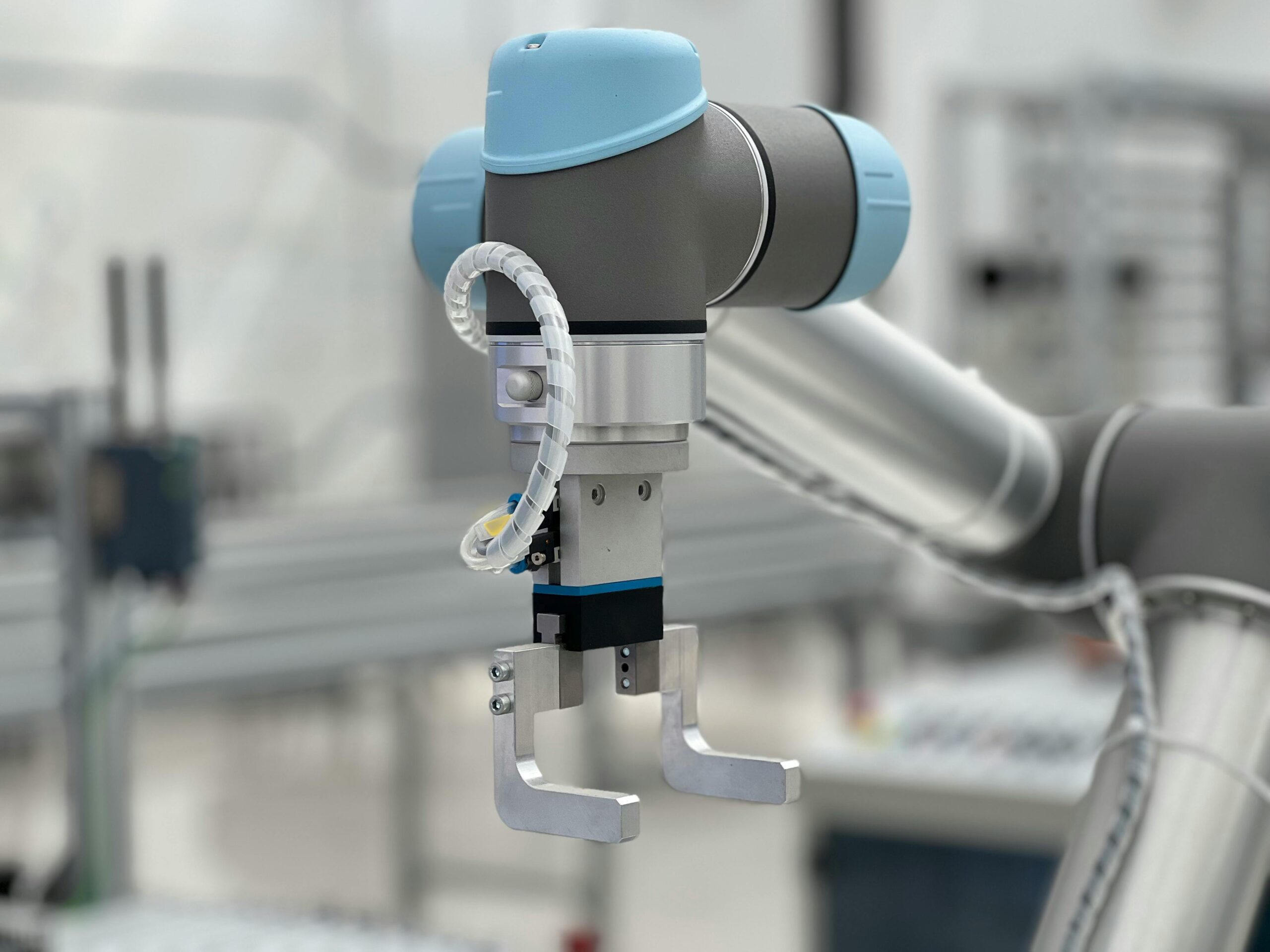
Automation encompasses far more than factory robots assembling cars. Today’s automation includes artificial intelligence making medical diagnoses, algorithms optimizing supply chains, chatbots handling customer service, and software generating content. Machine learning systems analyze vast datasets in seconds, identifying patterns that would take humans years to discover. Robotic process automation handles repetitive administrative tasks, freeing professionals to focus on strategic thinking.
Anúncios
The scope extends across virtually every sector. In healthcare, AI assists with diagnostics and treatment planning. Financial services rely on algorithms for fraud detection and investment strategies. Retail uses automation for inventory management and personalized shopping experiences. Agriculture employs drones and sensors for precision farming. Even creative fields like music, art, and writing now feature AI-assisted tools that enhance human creativity rather than replace it.
This technological transformation accelerates exponentially. What seemed impossible five years ago is commonplace today, and the pace shows no signs of slowing. Understanding this landscape means recognizing both the capabilities and limitations of automated systems, identifying where human input remains essential, and positioning yourself at the intersection of technology and humanity.
💼 Identifying Automation-Resistant Skills
While automation excels at routine, predictable tasks, certain human capabilities remain difficult or impossible to replicate. Emotional intelligence—the ability to read social cues, empathize with others, and navigate complex interpersonal dynamics—stands as uniquely human territory. Machines can process data about emotions, but they cannot genuinely feel or respond with authentic empathy.
Creative problem-solving represents another automation-resistant domain. While AI can optimize within defined parameters, humans excel at thinking outside the box, making unexpected connections, and approaching challenges from entirely new angles. The ability to ask the right questions often matters more than finding answers, and formulating novel questions requires imagination that machines lack.
Critical thinking and ethical judgment become increasingly valuable as automation handles more decisions. Someone must evaluate whether automated recommendations align with human values, consider unintended consequences, and make judgment calls in ambiguous situations. Complex decision-making that requires balancing multiple stakeholders, cultural sensitivity, and long-term implications remains firmly in human hands.
Leadership and relationship-building skills grow more crucial as workplaces evolve. Inspiring teams, building organizational culture, mentoring colleagues, and negotiating win-win solutions demand authentic human connection. People follow leaders they trust and respect, qualities that emerge from genuine interaction rather than programmed responses.
📚 The Continuous Learning Imperative
Traditional education followed a simple model: learn during youth, work during adulthood, retire in old age. Automation demolishes this linear progression. The half-life of skills continues shrinking, meaning what you learn today may become obsolete within years. Success in the automation age demands embracing lifelong learning as a core lifestyle principle rather than an occasional activity.
This doesn’t mean constantly chasing every new technology or trend. Strategic learning focuses on foundational competencies that remain relevant across technological shifts. Digital literacy, data interpretation, systems thinking, and adaptability provide enduring value regardless of which specific tools dominate at any given moment.
Online learning platforms have democratized education in unprecedented ways. You can learn programming, design, marketing, or virtually any skill from world-class instructors without expensive degrees or relocating. Micro-credentials, bootcamps, and project-based learning offer faster, more practical alternatives to traditional education paths. The barrier isn’t access to knowledge—it’s the discipline to consistently invest time in growth.
Effective learning in the automation age means staying curious, comfortable with discomfort, and willing to be a beginner repeatedly. It means building a personal learning infrastructure: dedicated time blocks, accountability systems, and communities that support your growth. The most successful individuals treat learning as seriously as they treat their primary work, understanding that continuous skill development is their primary work in an ever-evolving landscape.
🚀 Leveraging Automation as Your Competitive Advantage
Rather than competing against automation, the smartest strategy involves partnering with it. Automation handles the tedious, time-consuming tasks that drain energy and creativity, allowing you to focus on high-value activities that showcase uniquely human strengths. This symbiotic relationship amplifies your productivity and impact beyond what either humans or machines could achieve independently.
Start by auditing your daily activities. Which tasks are repetitive, rule-based, or consume disproportionate time relative to their value? These become prime candidates for automation. Email filters, scheduling tools, automated reporting, and workflow automation can reclaim hours each week. The time saved isn’t for leisure—it’s capital you reinvest in strategic thinking, relationship building, and creative work.
Developing basic technical literacy empowers you to implement automation rather than waiting for IT departments or expensive consultants. Understanding fundamental concepts around APIs, workflows, and no-code automation tools enables you to solve your own productivity challenges. You don’t need to become a programmer, but grasping how systems connect and automate creates tremendous leverage.
AI-assisted tools now enhance virtually every professional domain. Writers use AI to overcome blank page syndrome and refine drafts. Designers employ generative tools to explore visual concepts rapidly. Analysts leverage machine learning to uncover insights in complex datasets. Marketers use predictive algorithms to optimize campaigns. The pattern is consistent: humans provide strategy, creativity, and judgment while automation handles execution and analysis.
💡 Entrepreneurial Opportunities in an Automated World
Automation creates as many business opportunities as it disrupts. Every organization faces the challenge of implementing, managing, and optimizing automated systems. Consultants who can guide this transformation, trainers who can upskill workforces, and specialists who can customize automation for specific industries find growing demand.
The gig economy and remote work, both accelerated by automation technology, enable entrepreneurial ventures with minimal startup costs. You can launch consulting practices, creative services, coaching businesses, or digital products from anywhere with internet access. Automation tools handle administrative overhead like invoicing, scheduling, and customer relationship management, allowing solo entrepreneurs to operate with efficiency previously requiring entire teams.
Identifying gaps where automation falls short reveals profitable niches. Personalized services, human-centered experiences, and emotionally intelligent support become premium offerings as automation commoditizes basic services. People increasingly pay for authenticity, customization, and genuine human attention in a world of algorithmic interactions.
Building digital products and assets creates income streams that scale beyond hourly work limitations. Online courses, ebooks, software tools, and membership communities leverage automation to deliver value to thousands while you sleep. The initial creation requires significant effort, but automation handles distribution, payment processing, and customer onboarding, transforming your time investment into durable assets.
🌐 Building Your Future-Ready Career Portfolio
The traditional single-career path gives way to portfolio careers combining multiple income streams, skill sets, and professional identities. This diversification provides resilience against automation disruption. When one income source faces technological replacement, others remain viable or even grow stronger.
Think of your career as a diversified investment portfolio rather than putting everything into one company or role. You might combine freelance consulting, a part-time position leveraging specialized expertise, passive income from digital products, and equity in a startup. This approach reduces risk while maximizing opportunities to capitalize on your evolving interests and market demands.
Personal branding becomes essential in an automated world where algorithms often make first-cut hiring decisions. Your online presence, portfolio, and professional network signal your value beyond what resumes convey. Consistently sharing insights, demonstrating expertise, and contributing to your professional community builds reputation capital that opens doors regardless of economic shifts.
Cultivating a robust professional network provides information, opportunities, and support throughout your career journey. Relationships with diverse professionals across industries and functions expose you to emerging trends, introduce collaboration possibilities, and offer perspectives that prevent narrow thinking. Automation can facilitate networking through platforms and tools, but genuine relationship-building requires authentic human engagement.
🎯 Developing an Adaptive Mindset
Technical skills and strategies matter, but mindset ultimately determines who thrives in the automation age. A growth mindset—believing abilities develop through effort rather than being fixed—proves essential when facing continuous change. This perspective transforms challenges from threats into opportunities for development.
Embracing uncertainty and ambiguity becomes a superpower. While automation excels in defined environments, humans navigate novel situations without clear precedents. Comfort with experimentation, willingness to fail forward, and resilience in the face of setbacks enable you to explore emerging opportunities while others remain paralyzed by fear.
Developing emotional agility—the capacity to navigate emotions effectively—supports sustainable performance amid rapid change. Automation can trigger anxiety about relevance, frustration with learning curves, or excitement about possibilities. Processing these emotions healthily rather than suppressing or being overwhelmed by them maintains your well-being and decision-making quality.
Cultivating beginner’s mind, the Zen concept of approaching situations with openness and without preconceptions, prevents expertise from becoming rigidity. Past success can create blind spots, making it difficult to recognize when approaches need updating. Maintaining curiosity and questioning assumptions allows continuous adaptation rather than clinging to outdated methods.
⚖️ Balancing Technology and Human Connection
As automation handles more tasks, paradoxically, human connection becomes more valuable rather than less. People crave authentic relationships, meaningful interactions, and communities where they belong. Businesses that automate operations while maintaining human touch in customer relationships create powerful competitive advantages.
The most fulfilling careers leverage technology to amplify human connection rather than replace it. Therapists use telehealth platforms to reach more clients without losing therapeutic intimacy. Teachers employ educational technology to personalize learning while maintaining mentorship relationships. Coaches use communication tools to stay connected with clients across distances.
Protecting time and attention from constant technological demands becomes a critical life skill. Automation and connectivity can create always-on cultures that drain energy and creativity. Establishing boundaries, practicing digital minimalism, and creating space for reflection and deep work maintain the cognitive resources necessary for strategic thinking and innovation.
Building community around shared interests and values provides belonging in increasingly digital environments. Whether through professional associations, hobby groups, or local organizations, investing in face-to-face relationships grounds us and reminds us that beneath technological change, fundamental human needs for connection, contribution, and meaning remain constant.
🔮 Preparing for Tomorrow’s Opportunities Today
Future-ready living requires balancing preparation with presence. While staying informed about emerging technologies and trends provides strategic advantage, obsessing over predicting every development creates anxiety and paralysis. The goal isn’t perfect foresight but developing adaptability muscles that serve you regardless of specific scenarios.
Experiment with emerging technologies even when direct relevance to your current role isn’t obvious. Hands-on experience with AI tools, virtual reality, blockchain applications, or other innovations builds intuition about possibilities and limitations. This familiarity positions you to recognize opportunities as technologies mature and become mainstream.
Invest in foundational capacities that transcend specific technological moments: communication excellence, creative problem-solving, systems thinking, cross-cultural competence, and self-awareness. These meta-skills remain valuable across industries and technological paradigms, providing career insurance as specific technical skills become automated or obsolete.
Most importantly, remember that thriving in the automation age isn’t just about career success or financial security. It’s about crafting a meaningful life that leverages technology to amplify your impact, deepen your relationships, and contribute to challenges larger than yourself. Automation provides tools, but you provide purpose, values, and the vision for how these capabilities serve human flourishing.
🌟 Taking Action: Your Next Steps Forward
Knowledge without action remains theoretical. Transforming understanding into results requires deliberate steps. Begin by conducting an honest self-assessment: Which of your current skills face automation risk? Where do your unique human strengths lie? What learning investments would provide the highest return? This clarity creates the foundation for strategic action.
Identify one automation tool or skill to master in the next month. Whether it’s a productivity app, a no-code automation platform, or an AI-assisted tool relevant to your field, hands-on experience demystifies technology and builds confidence. Start small, experiment freely, and gradually expand your technical repertoire.
Schedule regular learning time in your calendar with the same commitment as important meetings. Consistency matters more than intensity—thirty minutes daily outperforms occasional marathon sessions. Protect this time from distractions and treat it as non-negotiable investment in your most important asset: yourself.
Connect with others navigating similar journeys. Join professional communities, attend meetups or conferences, and engage in online forums where people discuss automation’s impact on your industry. These connections provide emotional support, practical insights, and accountability that sustain momentum when motivation wanes.
The age of automation isn’t something that happens to us—it’s something we shape through our choices, actions, and values. By developing automation-resistant skills, embracing lifelong learning, leveraging technology strategically, and maintaining our essential humanity, we don’t just survive this transformation—we thrive within it. The future belongs not to those who resist change or blindly embrace every innovation, but to those who thoughtfully navigate the intersection of human potential and technological capability, creating lives of meaning, impact, and continuous growth.
Your journey toward a future-ready life begins with the decision to engage proactively rather than reactively with automation. Every skill you develop, every relationship you nurture, every experiment you conduct builds the adaptive capacity that transforms uncertainty into opportunity. The question isn’t whether automation will reshape your world—it’s whether you’ll participate actively in designing what comes next. The choice, and the opportunity, are yours. 🚀
